Choosing the right retail display can feel overwhelming. You want to grab attention and boost sales, but you're stuck between durability and budget. Where do you even begin?
The best choice depends on your product, campaign length, and budget. Temporary displays are cost-effective and flexible for short-term promotions1, while permanent displays build a long-term, premium brand presence for established products.
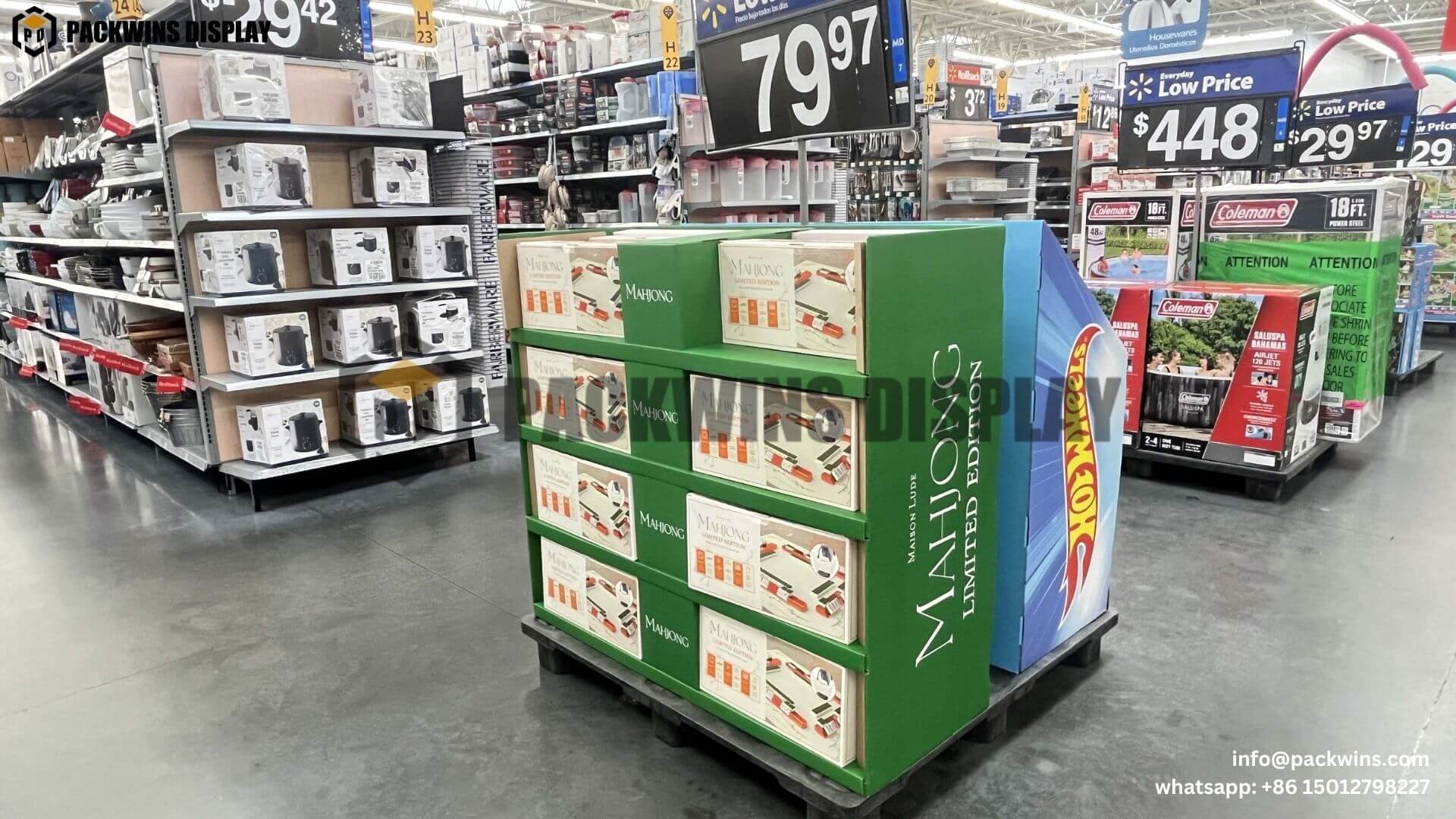
Making the right decision can be the difference between a successful campaign and wasted marketing dollars. Let's break down each type of display. This will help you understand which option aligns with your goals, so you can invest wisely and get your products noticed for all the right reasons.
What is a permanent display and when should you use one?
You need a display that looks high-end and can last for years. But the high initial cost and lack of flexibility are worrying. How do you know if it's worth it?
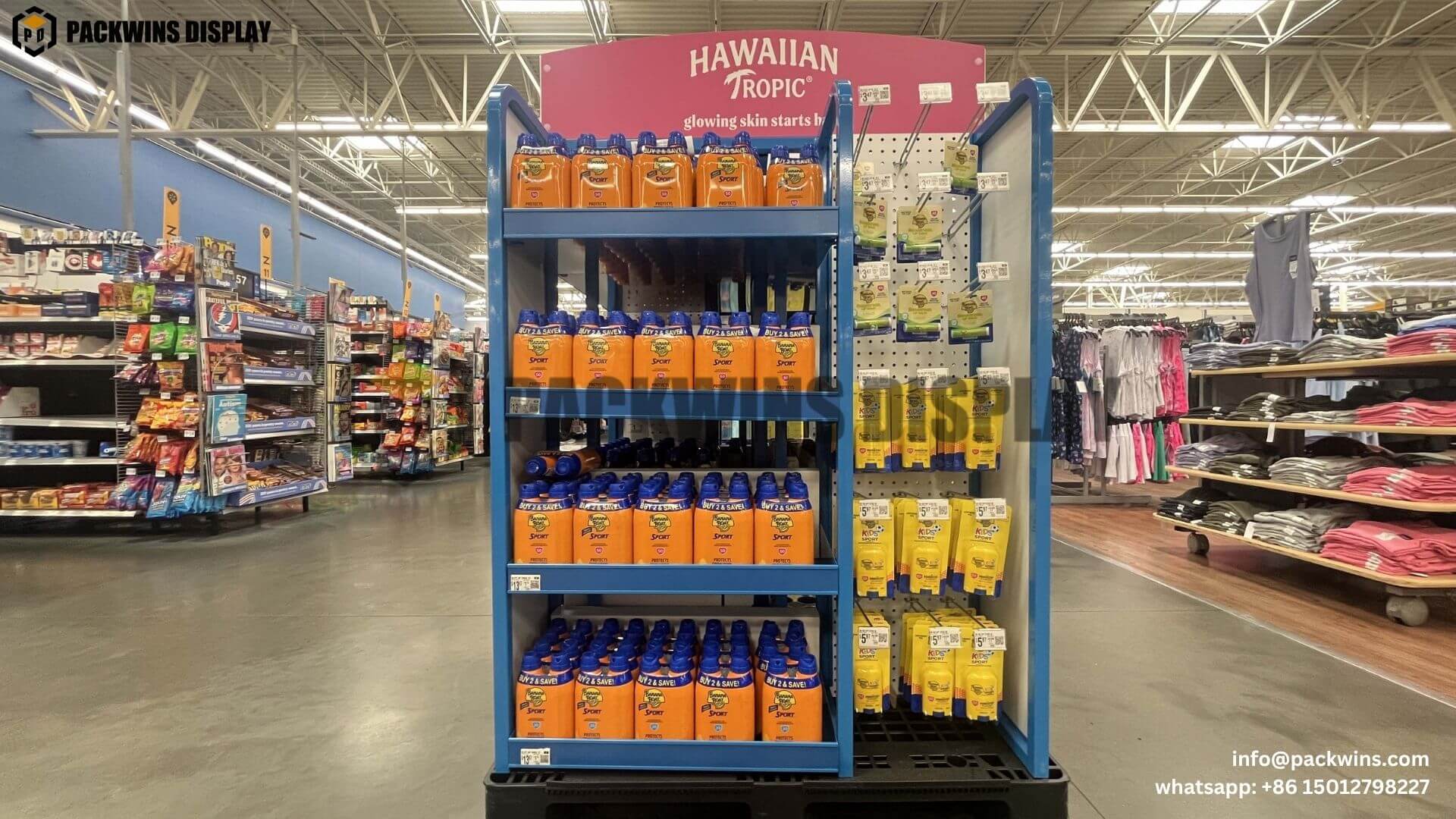
A permanent display is a long-lasting retail fixture, typically made from durable materials like metal, wood, or acrylic2. It's designed for use from six months to several years, showcasing established products and building a strong, premium brand image.
Dive Deeper: The Pros and Cons of Going Permanent
Permanent displays are the heavyweights of the retail world. They are built to be a lasting part of the store environment. Think of the sleek fixtures you see for high-end headphones or the sturdy metal racks for power tools. I've worked with many established brands that see these displays not just as product holders, but as a long-term investment in their brand's physical presence. Their primary goal is to communicate quality and permanence. However, this premium approach comes with its own set of challenges, especially around cost and logistics. It's a significant commitment.
Here’s a breakdown of the key features:
| Feature | Pros (The Good) | Cons (The Bad) |
|---|---|---|
| Durability | Made from metal, wood, or acrylic, they are extremely durable and can hold heavy products safely for years. | The robust materials make them very heavy and difficult to move once placed in a store. |
| Brand Image | They create a premium, high-end feel that enhances the perceived value of your product and builds brand trust3. | They are not adaptable. You can't easily change the graphics for a new season or promotion. |
| Cost | While the initial cost is high, the cost-per-day can be low when spread out over several years. | The initial production cost is very high. Shipping heavy, often pre-assembled, units is also very expensive. |
What industries are most suitable for permanent displays?
You have a quality product and want a display that reflects that. But will a permanent display work for your specific industry, or is it an unnecessary expense?
Permanent displays are ideal for industries with established products that have a long shelf life and a higher price point4. Think luxury goods, electronics, tools, and high-end cosmetics where brand consistency and perceived value are key.
Dive Deeper: Where Permanent Displays Shine
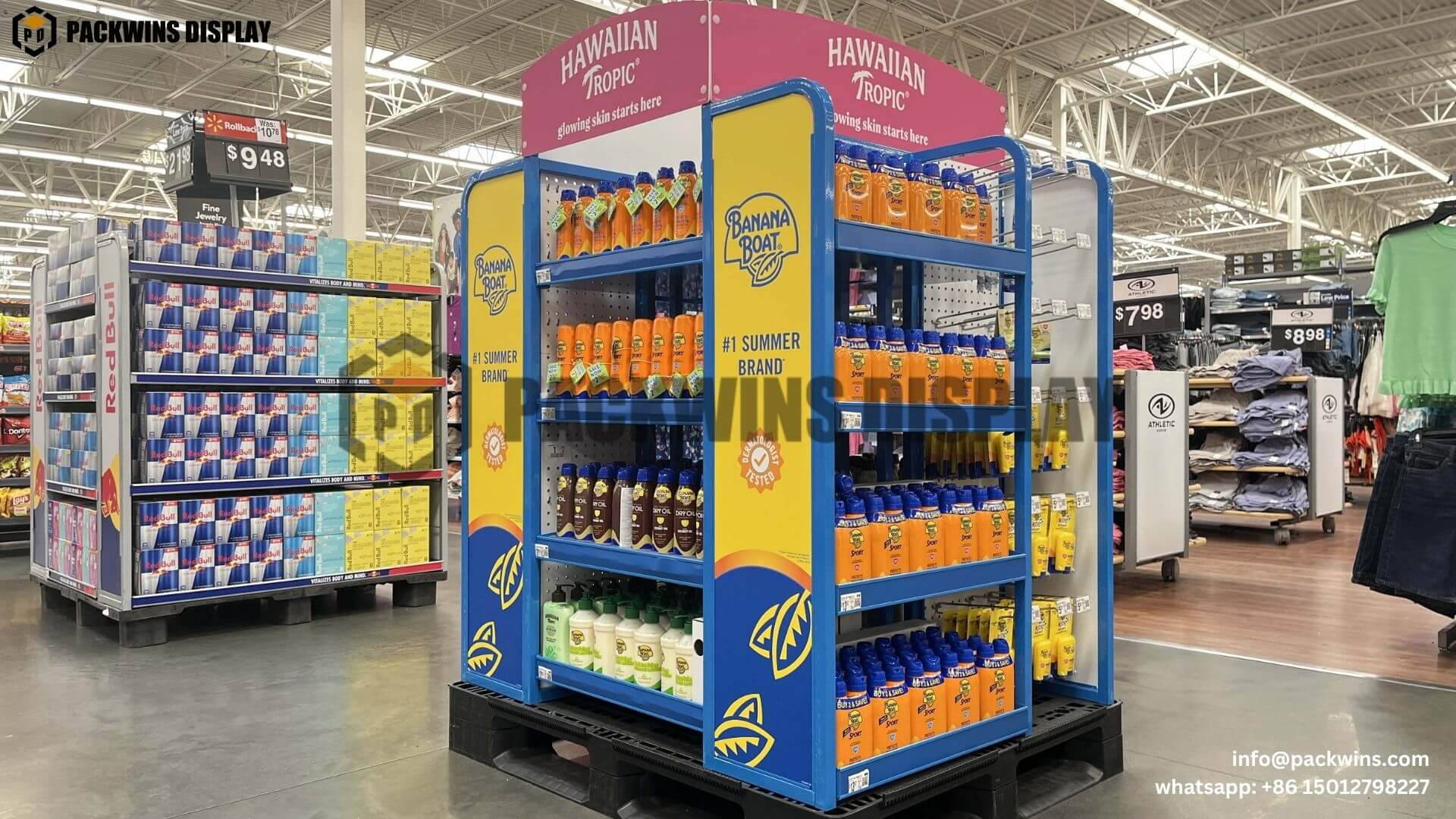
The decision to use a permanent display often comes down to the nature of the product and the brand's market position. If you're a new snack brand testing a flavor, a permanent display is overkill. But if you're a well-known power tool company, a sturdy metal display is practically a requirement. From my experience, brands that invest in permanent displays are playing the long game. They aren't focused on a quick, seasonal sales lift. They are focused on cementing their place in the retail landscape and becoming a go-to choice for consumers. They want their display to be as reliable and long-lasting as the products on it. These displays work best for:
- Established Brands: Companies that already have strong brand recognition and a consistent product line. Their marketing is less about introducing the brand and more about reinforcing its quality.
- Heavier Products: Items like power tools, kitchen appliances, or cases of beverages need the structural integrity that only materials like metal or solid wood can provide5.
- High-Value Goods: For products like premium cosmetics, designer accessories, or high-end electronics, a permanent display enhances the luxury feel and justifies the higher price point in the customer's mind.
What is a temporary display?
You have a seasonal promotion or a new product to launch. But your marketing budget is tight, and a big investment in displays isn't possible. What's the solution?
A temporary display is a short-term, point-of-purchase fixture designed for promotions that last from a few weeks to a few months. It offers a cost-effective and highly customizable way to boost sales.
Dive Deeper: The Flexible Marketing Tool
Temporary displays are the sprinters of the retail world. They are designed for speed, impact, and efficiency. I've seen them completely transform a store aisle for a holiday or launch a new product with a huge splash. Their entire purpose is to capitalize on a specific, time-sensitive opportunity. Unlike permanent displays that become part of the store's furniture, temporary displays are guests. They arrive to do a specific job—like announce a new flavor, promote a "2 for 1" deal, or tie into a movie release—and then they're gone. This temporary nature is their greatest strength. It gives brands incredible flexibility to react to market trends, test new ideas, and drive sales without a massive upfront commitment. They are the workhorse for fast-moving consumer goods.
What is a temporary display made of?
You hear the term "temporary display" and immediately think of something flimsy. This might make you worry about your product's safety and how it will be presented in a busy store.
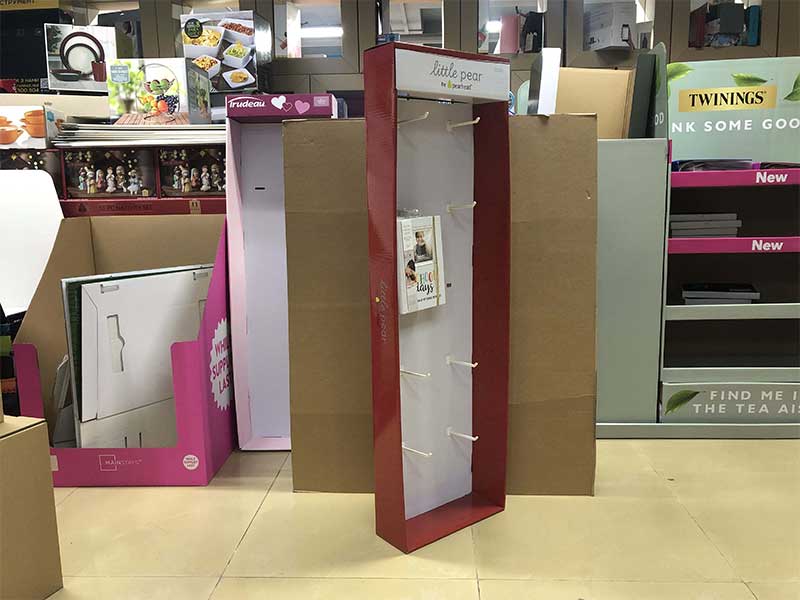
The vast majority of temporary displays are made from corrugated cardboard6. This material is surprisingly strong, lightweight, and incredibly versatile. It's the perfect choice for high-impact, short-term retail campaigns because it can be easily shaped and printed.
Dive Deeper: The Power of Corrugated Cardboard
When I tell clients we build displays from cardboard, some are skeptical at first. They picture a simple packing box. But corrugated cardboard is an engineered material. It's typically made of three layers of paper: an inside liner, an outside liner, and the fluting, which is the wavy layer in between. This structure creates a material that is remarkably strong for its weight. We can use different thicknesses and flute types (the size of the waves) to support anything from light bags of chips to heavier bottles of wine. I once designed a cardboard display that held over 200 pounds of product! The real magic, though, is the combination of this strength with its printability. We can print high-resolution, full-color graphics directly onto the board, turning a simple structure into a vibrant, eye-catching marketing tool that tells a brand's story.
What are the benefits of a temporary display?
You need to get the most out of your marketing budget. Wasting money on displays that are too expensive or don't work is a huge concern. So what makes temporary displays a smart choice?
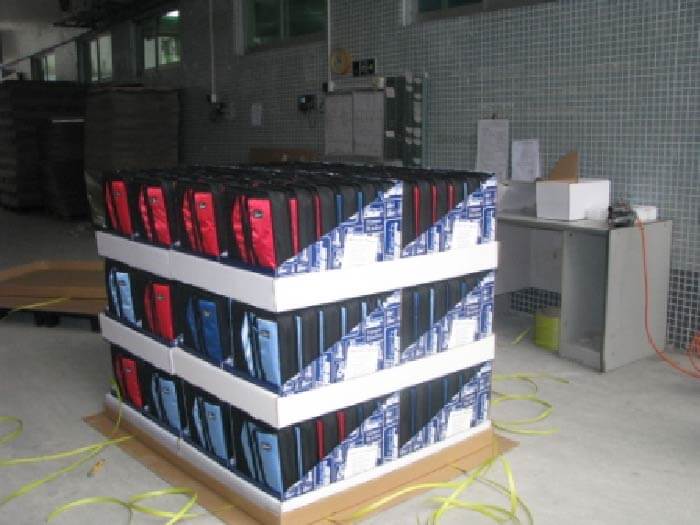
The biggest benefits are cost-effectiveness and flexibility. They have low production costs, are cheap to ship because they pack flat, and are easy for store staff to assemble, getting your product on the sales floor faster.
Dive Deeper: Maximum Impact, Minimum Cost
Temporary displays are all about efficiency. Every aspect is designed to maximize your return on investment. I had a client launching a new energy drink nationwide. They were considering semi-permanent displays but were shocked by the shipping quotes. We switched them to a flat-packed corrugated display. They saved nearly 70% on freight costs alone7. That's money they could put back into marketing. This efficiency extends right to the store floor.
Here are the key advantages broken down:
- Economic and Efficient: The raw material, corrugated cardboard, is much less expensive than metal, wood, or acrylic. This means you can get more displays for your budget, hitting more stores and reaching more customers.
- Seasonal and Promotional Flexibility: Want to run a campaign for Halloween? Then another for Christmas? With temporary displays, you just print a new design. You can change your message as often as you need to without being locked into a single, static fixture.
- Flat-Packed for Savings: Most temporary displays are shipped flat8. This drastically reduces their size, saving a huge amount on shipping costs, especially for large rollouts.
- Easy Assembly: They are designed for simple, tool-free assembly by store employees9. This cuts down on labor costs and eliminates the need to hire specialized installation teams, which is a major headache and expense for brands.
Which industries are perfect for temporary displays?
You're not sure if a cardboard display is the right fit for your product. You might worry that it won't hold up or that it will look out of place next to other fixtures.
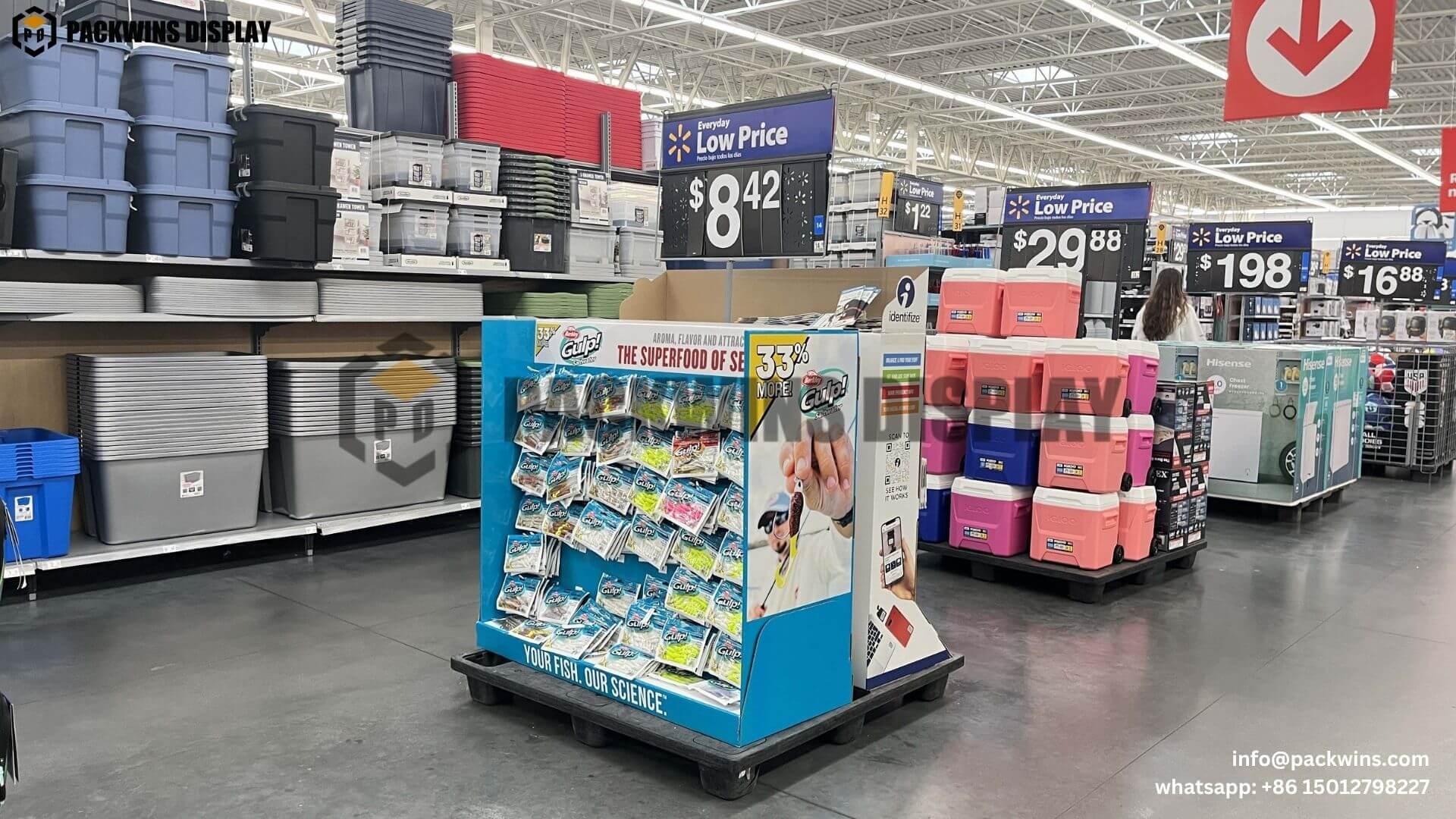
Temporary displays are perfect for fast-moving consumer goods10. Industries like snacks, food, beverages, supplements, toys, and electronics accessories use them for new product launches, seasonal campaigns, and to get extra selling space in big-box stores.
Dive Deeper: A Fit for Fast-Moving Products
The key factor for using a temporary display is the campaign, not just the product. If your goal is a short-term sales lift, a temporary display is almost always the right answer. I've seen them used successfully across so many categories in stores like Walmart, Target, and Costco. The versatility of cardboard allows us to create a solution for almost any product that fits a promotional strategy.
Here’s why it works so well for these industries:
- Snacks, Food, and Beverages: These products have high turnover and are often part of frequent promotions. A temporary display can scream "New Flavor!" or "On Sale Now!" right where customers are making decisions.
- Nutritional Supplements and Vitamins: This is a competitive market. A display can educate consumers on the benefits of a product and make it stand out from the dozens of other bottles on the shelf.
- Consumer Electronics: While the main TV might be on a permanent fixture, accessories like cables, chargers, and headphones are perfect for temporary displays, especially during holiday shopping seasons.
- Toys: The toy industry is driven by trends, holidays, and movie releases. Temporary displays are essential for capitalizing on that buzz for a limited time.
- Health and Beauty Supplies: Great for launching a new line of lipstick, promoting sunscreen in the summer, or creating gift sets for Mother's Day.
Conclusion
Choosing between permanent and temporary displays depends on your goals. Permanent displays build long-term brand equity, while temporary displays offer unmatched flexibility and ROI for targeted, short-term campaigns.
"Temporary vs. Permanent Displays: A Retail Guide", https://mmqualitysolutions.com/temporary-vs-permanent-displays-a-retail-guide/. This source explains the cost-effectiveness and adaptability of temporary retail displays for short-term marketing campaigns. Evidence role: general_support; source type: education. Supports: Temporary displays are cost-effective and flexible for short-term promotions.. ↩
"Permanent vs. Temporary Retail Displays - Great Northern Instore", https://www.greatnortherninstore.com/2022/01/permanent-vs-temporary-displays/. This source defines permanent retail displays and describes the materials commonly used in their construction. Evidence role: definition; source type: encyclopedia. Supports: A permanent display is a long-lasting retail fixture, typically made from durable materials like metal, wood, or acrylic.. ↩
"Temporary vs. Permanent Displays: A Retail Guide", https://mmqualitysolutions.com/temporary-vs-permanent-displays-a-retail-guide/. This source explains how permanent retail displays contribute to a premium brand image and consumer trust. Evidence role: general_support; source type: education. Supports: They create a premium, high-end feel that enhances the perceived value of your product and builds brand trust.. ↩
"7 Retail Display Styles Companies Rely On", https://www.packagingcorp.com/resource-hub/industry-insights/7-retail-display-styles-companies-rely-on/. This source identifies industries where permanent retail displays are most effective, focusing on product longevity and price point. Evidence role: general_support; source type: education. Supports: Permanent displays are ideal for industries with established products that have a long shelf life and a higher price point.. ↩
"Choosing Materials for Retail Displays - Frank Mayer", https://www.frankmayer.com/blog/choosing-materials-for-retail-displays/. This source discusses the necessity of durable materials like metal and wood for supporting heavy retail products. Evidence role: mechanism; source type: education. Supports: Items like power tools, kitchen appliances, or cases of beverages need the structural integrity that only materials like metal or solid wood can provide.. ↩
"Retail Display Material Selection Guide", https://blingblingpackaging.com/blog/retail-pop-display-material-selection/. This source explains the prevalence of corrugated cardboard in the construction of temporary retail displays. Evidence role: general_support; source type: education. Supports: The vast majority of temporary displays are made from corrugated cardboard.. ↩
"OPTIMIZATION OF TRANSPORTATION COSTS IN THE ...", https://hammer.purdue.edu/articles/thesis/_b_Optimization_of_Transportation_Costs_in_the_Retail_Grocery_Supply_Chain_b_/28021643/1/files/51156851.pdf. This source provides data on cost savings achieved through the use of flat-packed temporary retail displays. Evidence role: statistic; source type: education. Supports: They saved nearly 70% on freight costs alone.. Scope note: The specific percentage may vary depending on the scale and logistics of the campaign. ↩
"Pop-Up Furniture | Flat-Pack Tables, Kiosks & Displays", https://www.texwoodbuilds.com/collections/pop-up-furniture?srsltid=AfmBOoomGrWHtwWK3vvBKDLiyB6eM194LH9y6AQow1xQVVTd30w_kz-c. This source explains the logistical advantages of flat-packed temporary retail displays, including reduced shipping costs. Evidence role: mechanism; source type: education. Supports: Most temporary displays are shipped flat.. ↩
"4 Tips to Make Assembling Displays On the Retail Floor Easy", https://mcintyredisplays.com/blog/4-tips-easy-pop-display-assembly/. This source highlights the ease of assembly for temporary retail displays, emphasizing their tool-free design. Evidence role: mechanism; source type: education. Supports: They are designed for simple, tool-free assembly by store employees.. ↩
"Temporary Displays - Outform", https://www.outform.com/what-we-do/temporary-displays/. This source discusses the effectiveness of temporary retail displays for promoting fast-moving consumer goods. Evidence role: general_support; source type: education. Supports: Temporary displays are perfect for fast-moving consumer goods.. ↩