In today’s digital world, QR codes have become an essential tool for connecting offline and online experiences. By Integrating QR Codes Technology with Cardboard Displays, brands can enhance customer engagement, provide additional information, and drive sales. This simple yet powerful combination offers many benefits for both businesses and customers. Let’s explore how QR codes can work with cardboard displays to create a more interactive and informative retail experience.
1. What Are QR Codes?
QR codes (Quick Response codes) are two-dimensional barcodes that can be scanned using a smartphone. Once scanned, they link to a digital destination, such as a website, video, product details, or promotional offer. This makes them an excellent way to provide customers with more information without overcrowding your display with text or images.
2. Boost Customer Engagement
Integrating a QR code into your cardboard display can immediately engage customers in a meaningful way. When shoppers see a code, they may be curious to learn more about the product or brand. This leads them to scan the code for additional details, such as:
- Product videos or tutorials
- Customer reviews and ratings
- Special discounts or promotions
- Social media pages or websites
By giving customers an easy way to interact with your display, QR codes increase the likelihood of a deeper connection with your brand.
3. Provide Instant Access to Additional Information
Cardboard displays are great for showcasing products, but they often have limited space for detailed information. QR codes solve this problem by allowing you to provide additional content without crowding the display.
For example, if you’re displaying a new product, you could include a QR code that leads customers to a video explaining the product’s features and benefits. Or, if you’re promoting a seasonal sale, the QR code could direct shoppers to a page where they can learn more about the discounts and offers.
This makes the shopping experience more informative, and customers can instantly access the information they need right from the display.
4. Track Customer Interaction and Engagement
One of the major benefits of QR codes is that they provide valuable data. By using a unique QR code for each display or campaign, you can track how often the code is scanned, where it was scanned, and even which products received the most attention.
This data allows you to understand customer behavior and preferences, helping you tailor future marketing efforts and improve your product displays. You can also measure the success of your promotional campaigns more accurately.
5. Drive Online Traffic and Sales
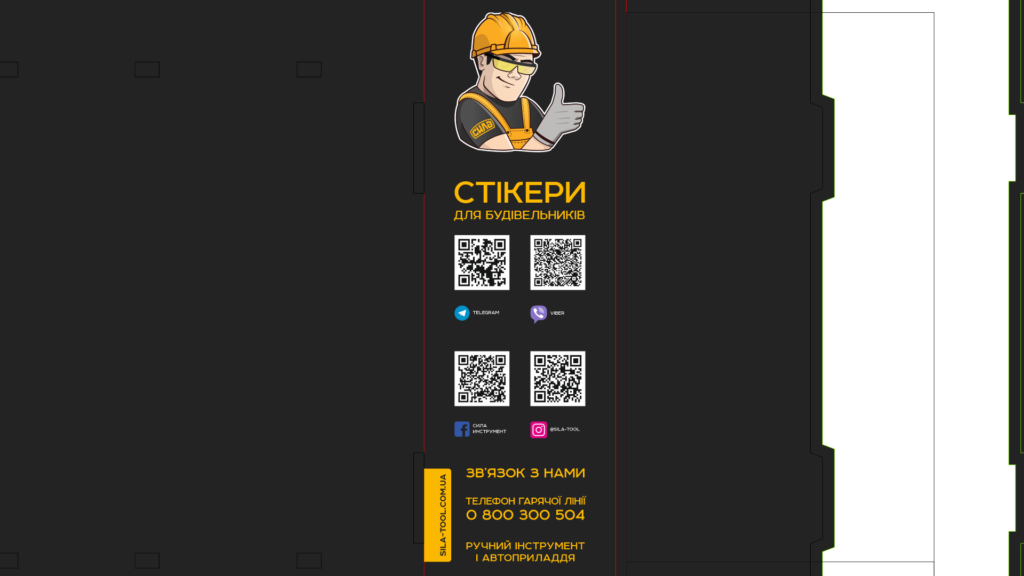
QR codes are a seamless way to drive traffic to your website or online store. For example, you can place a QR code on your cardboard display that leads customers directly to your online shop. This can be especially useful for:
- Providing a link to an e-commerce store where customers can buy the product.
- Offering a limited-time online promotion or discount.
- Sending customers to a special landing page with more product options.
This bridge between physical and digital shopping not only boosts online traffic but can also lead to more sales.
6. Enhance the In-Store Experience
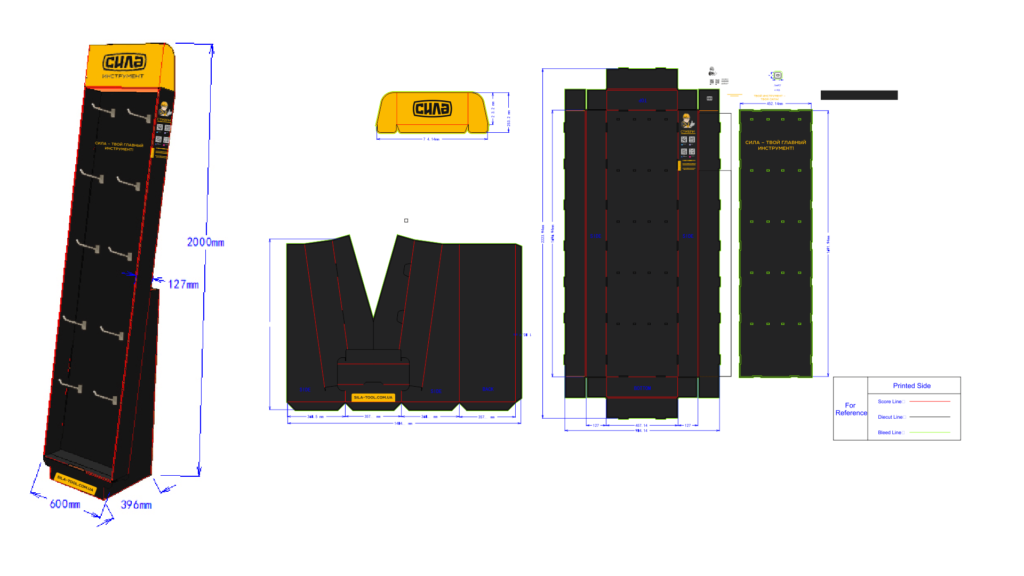
By integrating QR codes with cardboard displays, you can make the in-store shopping experience more interactive. Customers can quickly scan the code and get access to more content like:
- Product recommendations
- Exclusive content (e.g., behind-the-scenes videos or brand stories)
- Social media interactions (e.g., a chance to follow or share your brand)
This turns a simple cardboard display into a hub of digital interaction that can excite and engage customers. For rush order, turn your local supplier for help like Display2Go.
7. Encourage Social Media Interaction
QR codes are a great way to connect with customers on social media. You can link the code to a branded social media page or a hashtag campaign. For example, if your display features a new product, you can ask customers to scan the QR code and share their experience on social media using a specific hashtag.
This not only boosts your social media presence but also helps spread brand awareness through customer-generated content. It’s an easy and effective way to increase your brand’s visibility.
8. Eco-Friendly and Cost-Effective
Incorporating QR codes into your cardboard displays is a smart, cost-effective choice. QR codes don’t require additional printing space, so they don’t add to your production costs. They also save on the need for excessive printed materials or brochures, which is better for the environment.
By using a QR code, you can reduce paper waste and still provide customers with all the information they need in a digital format.
Conclusion
Integrating QR codes with cardboard displays is an innovative way to connect with customers and provide a more dynamic shopping experience. By adding these simple codes, you can boost engagement, offer more information, drive online sales, and gain valuable insights into customer behavior. It’s an affordable, eco-friendly, and effective strategy for brands looking to bridge the gap between offline and online marketing.
Whether you’re promoting a new product, a special offer, or simply looking to create a more interactive experience, QR codes and cardboard displays are a perfect match.