Cardboard displays are not just mere boxes; they are powerful marketing tools. They can elevate your in-store sales and engage customers effectively.
A cardboard display is a retail fixture made of corrugated cardboard, designed to showcase products at the point of purchase. These displays entice customers and enhance visibility, making them essential for retailers.
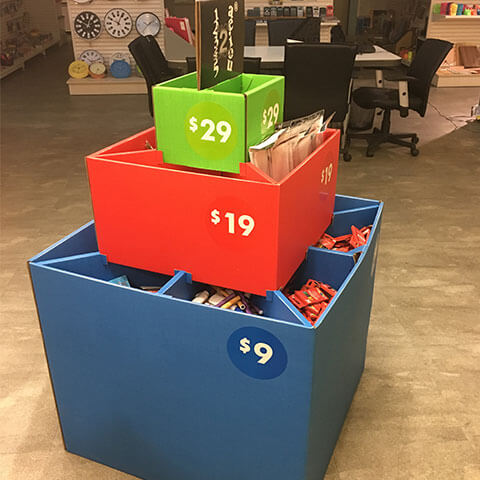
Cardboard displays are a vital aspect of retail marketing.1 They are strategically placed to catch the customer’s eye, increasing the chances of impulse purchases. But what exactly makes these displays so effective?
What Is a Cardboard Display?
Cardboard displays serve as a marketing solution that can significantly impact in-store sales.2 They are essentially promotional tools that highlight products in a visually appealing way.
Cardboard displays, or POP (Point of Purchase) and POS (Point of Sale) displays, are made from corrugated cardboard materials. These displays are commonly used in retail settings to attract customers' attention and drive sales.
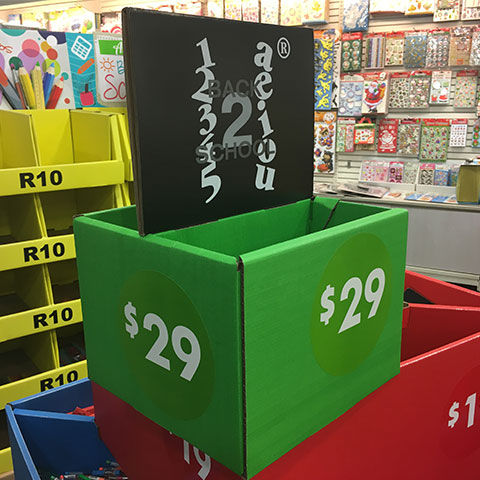
These displays can be found in various retail applications, from grocery stores to department stores. Brands utilize them in stores to promote new products, increase brand visibility, and create eye-catching setups that entice customers.
Why Are Cardboard Displays Popular in Retail Stores?
Cardboard displays have gained popularity for several reasons. They offer numerous retail advantages that make them appealing to brands.
They are a cost-effective marketing solution that is lightweight yet durable.3 Cardboard displays can be easily transported and set up, making them ideal for seasonal promotions. They also provide flexibility for different product categories and are sustainable, being recyclable.

Retailers like Costco, Walmart, and Target often use cardboard displays to optimize space and enhance product visibility.4 Their lightweight nature allows for easy rearrangement within the store.
What Types of Cardboard Displays Are Commonly Used?
Understanding the various types of cardboard displays can help brands choose the right one for their needs.
Common types include floor displays, counter displays, pallet displays, dump bins, sidekick displays, endcap displays, and shelf-ready packaging. Each type serves a specific purpose and can be customized to fit brand requirements.5

Floor displays are typically used for larger items, while counter displays are great for smaller products. Pallet displays can hold bulk items, while endcap displays are perfect for seasonal promotions. Retailers like Home Depot frequently utilize these display types to maximize visibility.
How Can Custom Printing Improve Cardboard Display Performance?
Custom printing plays a significant role in enhancing the effectiveness of cardboard displays.
High-impact graphics can grab attention, while brand consistency is crucial for maintaining a cohesive image. Custom printing allows for promotional messaging and seasonal themes, making each display resonate with customers.6
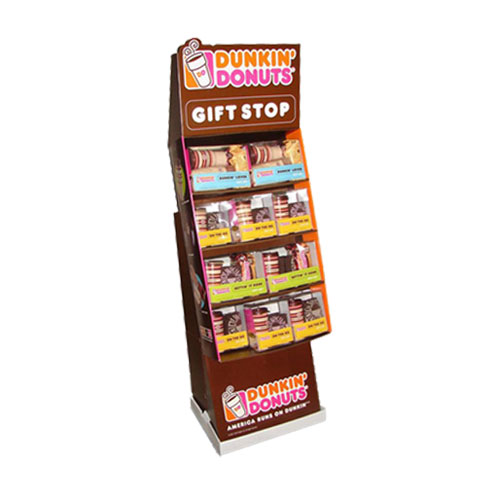
Additionally, product storytelling through visually engaging designs can differentiate products on retail shelves. At Packwins, we specialize in creating custom printed displays that not only stand out but also effectively communicate your brand's message.
What Makes a Successful Cardboard Display Design?
A successful cardboard display design combines several key elements.
Structural stability is essential for ensuring the display can hold products securely.7 Easy assembly allows retailers to set up displays quickly. Efficient use of space and shopper-friendly layouts enhance customer experience.

It's also important to consider club store display requirements and retail compliance. Durability during shipping ensures the display arrives in perfect condition, ready for use on the sales floor.8
How Are Cardboard Displays Made?
Understanding the manufacturing process of cardboard displays helps build trust in their quality.
The process begins with structural engineering to determine the best design.9 Then, CAD design is used to create accurate models. Graphic design follows, where visuals are created for the display. Sampling and prototyping help test the design before mass production.10
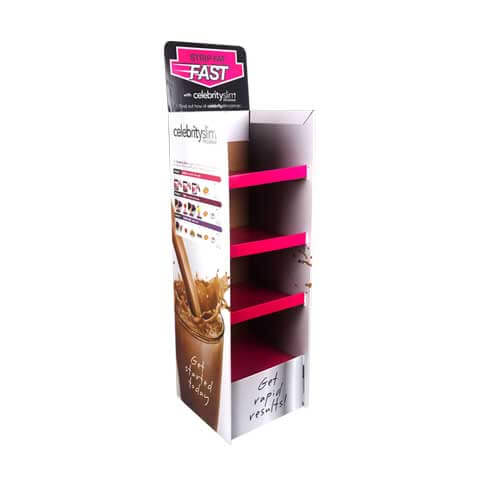
Finally, the printing process involves high-quality print production, die-cutting shapes the displays, and packing and shipping ensure they reach retailers safely. This expertise sets Packwins apart in the industry, ensuring each display meets the highest standards.
Conclusion
In summary, cardboard displays are effective tools that can significantly boost in-store sales through their design, versatility, and marketing potential.
"Chapter 5: Why Customers Enjoy Custom Retail Displays", https://www.creativedisplaysnow.com/guides/understanding-the-retail-customer/chapter-5-why-customers-enjoy-custom-retail-displays/. This source explains the role of cardboard displays in retail marketing, including their impact on customer engagement and sales. Evidence role: general_support; source type: education. Supports: Cardboard displays are a vital aspect of retail marketing.. ↩
"Are Retailers Moving Away from Temporary Cardboard Displays?", https://www.verticalvendors.com/is-there-a-move-away-from-temporary-cardboard-displays. This source discusses how cardboard displays influence in-store sales through improved product visibility and customer engagement. Evidence role: general_support; source type: research. Supports: Cardboard displays serve as a marketing solution that can significantly impact in-store sales.. ↩
"5 Key Advantages of Cardboard Displays for Retail Success", https://grandfly.com/5-key-advantages-of-cardboard-displays-for-retail-success/. This source provides data on the cost-effectiveness and durability of cardboard displays in retail environments. Evidence role: statistic; source type: research. Supports: They are a cost-effective marketing solution that is lightweight yet durable.. ↩
"Custom Cardboard Displays Guide | Retail Display Solutions", https://cosourceglobal.com/blogs/cardboard-display/custom-cardboard-displays-retail-display-guide. This source discusses the use of cardboard displays by major retailers like Costco, Walmart, and Target to improve space utilization and product visibility. Evidence role: case_reference; source type: institution. Supports: Retailers like Costco, Walmart, and Target often use cardboard displays to optimize space and enhance product visibility.. Scope note: The source may not cover all retailers mentioned or provide specific examples. ↩
"Cardboard Displays Offer Inexpensive Merchandising Solutions", https://www.displays2go.com/C-754/Cardboard-Displays-Offer-Inexpensive-Merchandising-Solutions. This source outlines the various types of cardboard displays and their specific uses in retail settings. Evidence role: definition; source type: encyclopedia. Supports: Each type serves a specific purpose and can be customized to fit brand requirements.. Scope note: The source may not cover all possible types of cardboard displays. ↩
"Benefits of Using Corrugated Cardboard for Custom Displays", https://www.creativedisplaysnow.com/benefits-cardboard-custom-displays/. This source explains how custom printing enhances the effectiveness of cardboard displays through promotional and seasonal designs. Evidence role: mechanism; source type: research. Supports: Custom printing allows for promotional messaging and seasonal themes, making each display resonate with customers.. ↩
"4 Common Design Mistakes to Avoid with Your Cardboard Displays", https://www.cefbox.com/blog/knowledgeBase/4-Common-Design-Mistakes-to-Avoid-with-Your-Cardboard-Displays. This source discusses the importance of structural stability in the design of cardboard displays for secure product placement. Evidence role: mechanism; source type: education. Supports: Structural stability is essential for ensuring the display can hold products securely.. ↩
"Benefits of Using Corrugated Cardboard for Custom Displays", https://www.creativedisplaysnow.com/benefits-cardboard-custom-displays/. This source highlights the role of durability in ensuring cardboard displays remain intact during shipping and are ready for retail use. Evidence role: mechanism; source type: research. Supports: Durability during shipping ensures the display arrives in perfect condition, ready for use on the sales floor.. ↩
"Structural Design in Temporary Corrugated Retail Displays - UD Direct", https://www.ud-direct.com/blog/the-importance-of-structural-design-in-temporary-corrugated-retail-displays. This source details the initial steps in the manufacturing process of cardboard displays, including structural engineering. Evidence role: mechanism; source type: education. Supports: The process begins with structural engineering to determine the best design.. Scope note: The source may not cover all manufacturing processes comprehensively. ↩
"Prototyping | Our Process - Creative Displays Now", https://www.creativedisplaysnow.com/our-process/prototyping/. This source explains the role of sampling and prototyping in validating cardboard display designs before mass production. Evidence role: mechanism; source type: research. Supports: Sampling and prototyping help test the design before mass production.. ↩